
The Illusion of Luck
Luck is often perceived as a magical force that can turn a mundane experience into a thrilling success, especially in gambling environments. Players often enter these spaces filled with hope, expecting their fortunes to change at any moment, particularly at a neosurf casino instant withdrawal australia that promises fast payouts. However, the reality is that luck is unpredictable and can fade just as quickly as it appears. Understanding this illusion is crucial for anyone who wants to engage in sustainable play. Recognizing that reliance on luck can lead to disappointments is the first step in developing a healthier perspective.
Many players become emotionally invested in the notion of luck, often believing that it can be influenced through rituals or superstitions. This mindset can lead to poor decision-making, as individuals chase losses or try to recapture past wins. For instance, some may return to play in the hopes that they will regain their losses, leading to a cycle of chasing luck that can result in significant financial and emotional strain. Sustainable play requires acknowledging that luck is not a reliable strategy and instead advocating for more calculated and responsible gaming practices.
Moreover, the concept of luck can lead to an overestimation of one’s abilities. Many players may convince themselves that they possess a special insight into how games work, while in reality, randomness often dictates outcomes. This misapprehension can cause individuals to ignore the fundamental aspects of responsible gambling, such as setting limits on time and money. By adopting a mindset that emphasizes strategy over luck, players can transform their experiences, ensuring long-term enjoyment rather than fleeting highs followed by inevitable lows.
Understanding Risk Management
Effective risk management is at the core of sustainable play. It involves carefully evaluating your financial situation and setting clear limitations on how much you are willing to spend. This proactive approach allows you to enjoy playing without the pressure of financial strain, as it creates a safety net that can help prevent significant losses. Understanding your risk tolerance is vital; it varies from person to person and is influenced by factors such as financial stability and personal circumstances.
To manage risk effectively, players should define their budget before engaging in any type of gambling. This involves determining not only the amount of money allocated for play but also deciding in advance the time dedicated to it. By setting both a time and monetary limit, you can enhance your enjoyment and minimize the urge to risk more than you can afford to lose. Furthermore, players should also consider the type of games they engage in, as some may offer better odds than others, influencing overall risk.

Additionally, employing strategies like the “house money” approach can aid in risk management. This method involves separating winnings from your initial bankroll, treating wins as a separate amount you can play with, while protecting your original finances. This way, you can enjoy the thrill of winning while reducing the likelihood of depleting your funds. Understanding and implementing effective risk management techniques ensures a more controlled and enjoyable gaming experience, allowing for sustainable play over time.
Setting Realistic Expectations
Setting realistic expectations plays a crucial role in sustainable gameplay. Many players enter gaming environments with aspirations of hitting it big, but this mindset can lead to disenchantment when the expected outcomes do not materialize. By fostering a more realistic understanding of the gaming landscape, individuals are better equipped to handle the ups and downs associated with gambling, which can contribute to a healthier approach overall. It’s important to remember that the majority of players do not achieve life-changing wins, and acknowledging this fact can help mitigate disappointment.
One way to align expectations with reality is through education. Understanding the odds associated with different games, such as the house edge or payout percentages, can significantly inform players about the actual likelihood of winning. By knowing that, for example, slot machines typically have lower odds than table games, players can make informed decisions about where to invest their time and money, leading to a more satisfying experience. Educating oneself on the various aspects of gambling can shift the focus from merely chasing wins to appreciating the entertainment value that these games provide.
Moreover, embracing moderation is essential. Players should revel in the entertainment aspect without an obsession over winning. By fostering a mindset that values enjoyment over victory, the gaming experience can be transformed into a more positive engagement. Setting realistic expectations not only curbs potential losses but also fosters a sense of responsibility, ensuring that gaming remains a recreational activity rather than a source of stress or financial hardship.
The Importance of Self-Assessment
Self-assessment is a critical strategy for maintaining sustainable play. Engaging in regular self-reflection allows players to evaluate their behaviors, motivations, and overall relationship with gambling. Understanding why you play can offer insights into whether the activity remains a source of enjoyment or becomes a troubling habit. This introspective process can highlight patterns that may indicate a shift from responsible play to compulsive gambling, enabling individuals to make necessary adjustments.
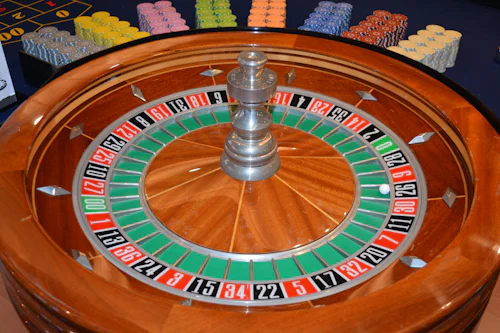
Additionally, self-assessment can involve monitoring emotional reactions during gameplay. Noticing signs of frustration, anger, or excessive elation can signal a need to take a step back and reassess your approach. For instance, if a player finds themselves betting larger amounts to chase losses or feeling anxious about their financial situation, it may be time to pause and reconsider their gambling habits. Recognizing these emotional cues is essential in maintaining a healthy relationship with play.
To effectively assess one’s gambling habits, setting defined check-in points can be beneficial. Regularly evaluating your spending, time spent playing, and overall satisfaction can help maintain a balanced relationship with gaming. This practice encourages mindful engagement and allows for adjustments based on personal experiences and feelings. Ultimately, fostering a culture of self-awareness can lead to more sustainable and enjoyable play.
Final Thoughts on Responsible Gaming
Responsible gaming combines various strategies aimed at ensuring a balanced and enjoyable experience. Players are encouraged to adopt a holistic approach that integrates risk management, realistic expectations, and self-assessment to create a comprehensive framework for sustainable play. It’s essential to remember that gaming should be a source of enjoyment rather than a potential source of distress. By establishing guidelines and promoting responsible behavior, individuals can engage in gaming activities while safeguarding their well-being.
Fostering a community that emphasizes responsible gaming can also contribute to the overall health of the gaming landscape. Sharing insights and strategies not only reinforces the values of sustainable play but also cultivates an atmosphere of support. Engaging in discussions about gambling experiences can empower players to make informed decisions and share valuable lessons learned.
In conclusion, when luck runs out, it’s crucial to revert to sustainable play practices. By acknowledging the role of luck, managing risks, setting realistic expectations, and engaging in self-assessment, players can enjoy their gaming experiences while minimizing potential downsides. Cultivating a responsible approach will lead to lasting enjoyment and a healthier relationship with gaming overall.