
The psychology behind decision-making in casino games
The Role of Emotion in Gambling Decisions
Emotion plays a significant role in decision-making, especially in the high-stakes environment of casino games. When players engage in gambling, their emotional state can heavily influence their choices. For instance, excitement from winning a round may lead to impulsive decisions, encouraging players to continue wagering without careful consideration of the odds. This emotional response can often override rational thinking, causing players to chase losses or take unnecessary risks. Furthermore, players often explore opportunities such as https://download1xbetsomalia.com/promo-code/ to enhance their betting options.
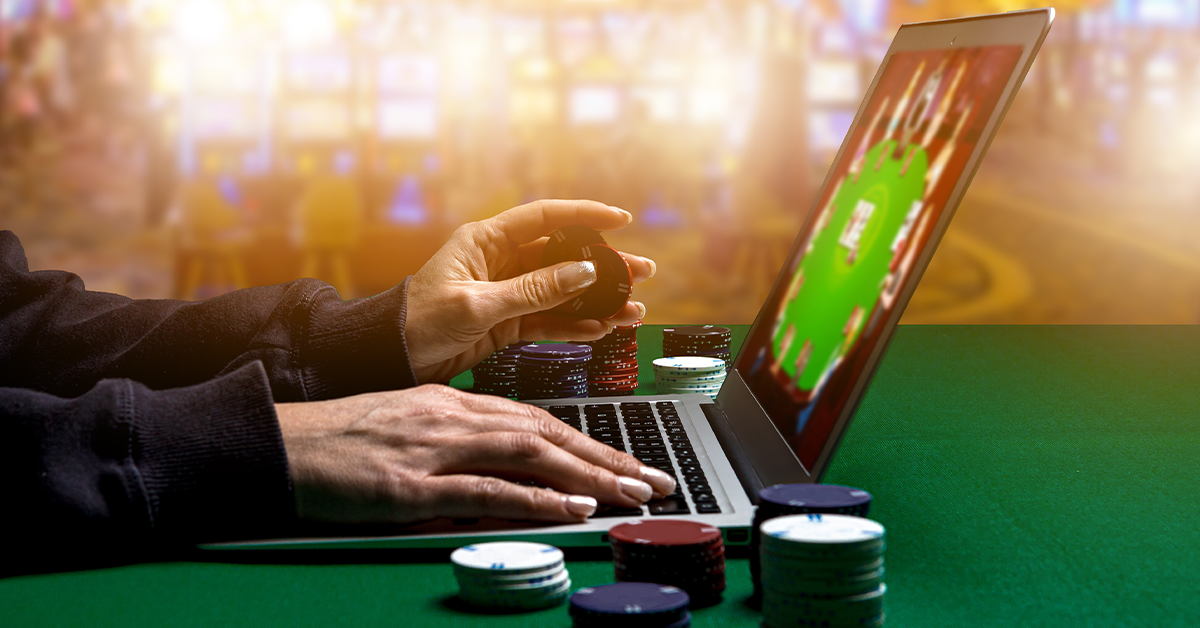
Moreover, emotions such as fear and anxiety can also shape decision-making in gambling. Players may feel pressured to increase their bets to recover previous losses, driven by the fear of missing out on potential winnings. This cycle can lead to a harmful pattern where the player becomes increasingly detached from the reality of the game, resulting in detrimental financial consequences. Understanding this emotional dynamic is crucial for recognizing the psychological traps that can ensnare players in the casino environment.
The interplay between emotion and decision-making is further complicated by the element of thrill associated with gambling. Many players seek the adrenaline rush that comes with betting, which can enhance their overall gaming experience. However, this thrill can cloud judgment, pushing players to make hasty decisions without fully grasping the risks involved. A deeper awareness of emotional triggers can empower players to make more informed choices and promote responsible gambling practices.
Cognitive Biases and Gambling Choices
Cognitive biases significantly impact how players make decisions in casino games. One common bias is the “gambler’s fallacy,” where individuals believe that past events will influence future outcomes, despite each spin or deal being independent. For example, if a player notices that a specific number hasn’t appeared on a roulette wheel for several spins, they may irrationally assume it is “due” to win, thus placing more bets on that number. This fallacy can lead to poor decision-making and increased losses.
Another cognitive bias that affects decision-making is the “illusion of control.” Players often believe they can influence the outcome of games based on their strategies or actions, despite the inherent randomness of casino games. This belief can cause them to adopt risky betting strategies or increase their wagers in hopes of swaying the game’s outcome. The illusion of control can create a false sense of security, luring players into making decisions that are not grounded in the realities of chance.
Understanding these cognitive biases is essential for recognizing how they influence gambling behavior. By being aware of these mental shortcuts, players can make more rational and objective decisions. This awareness can lead to healthier gambling habits and a more enjoyable gaming experience, as players begin to separate emotion from strategy and acknowledge the true nature of risk and reward in casino games.
The Influence of Environment on Decision-Making
The casino environment is deliberately designed to enhance excitement and encourage players to make decisions quickly. Features such as bright lights, engaging sounds, and the presence of other players can heighten emotions and create a sense of urgency. This atmosphere can lead to impulsive betting decisions, as players may feel compelled to join in on the excitement rather than take a moment to evaluate their choices carefully.
Additionally, the layout of a casino can affect decision-making. Games are often strategically placed to attract players, and the flow of the space can influence the amount of time individuals spend at specific tables or machines. For example, if a player is drawn to a high-traffic area where others are winning, they may feel pressured to join in, despite their previous losses. The social dynamics at play can significantly impact individual decisions, often leading to increased betting and risk-taking.
To combat the influence of the casino environment, players can implement strategies to create a more controlled experience. Setting strict budgets, choosing quieter times to play, or even selecting games that align with personal risk tolerance can help mitigate the overwhelming stimuli that casinos provide. By recognizing how the environment shapes decision-making, players can create a more balanced and responsible gambling experience.
The Impact of Game Design on Player Choices
The design of casino games plays a pivotal role in shaping player decision-making. Game mechanics, such as the probability of winning and the payout structure, can significantly influence how players approach their bets. For instance, slot machines are designed with appealing graphics and sounds to keep players engaged, often leading them to play longer than intended. This engagement can cause players to make rash decisions, as they become absorbed in the entertainment aspect rather than focusing on strategic play.
Additionally, game design features like near-misses can further manipulate player behavior. For example, when players lose a bet but nearly hit a winning combination, they may feel a false sense of success, compelling them to continue betting in hopes of achieving that elusive win. This psychological trick can create an addictive loop, drawing players into a cycle of increased wagering despite losses. Understanding these design elements is essential for players to recognize how their choices are influenced by game mechanics.
To foster a healthier approach to gaming, players should take time to understand the rules and odds of the games they choose to play. By becoming familiar with how game design impacts decision-making, players can make informed choices that align with their goals and risk tolerance. Emphasizing education about game mechanics can empower players to navigate the gambling landscape more effectively, enhancing their overall experience.

Responsible Gambling and Its Importance
Responsible gambling is paramount in the context of decision-making in casino games. As players navigate the complexities of emotional triggers, cognitive biases, and environmental influences, adopting responsible gambling practices can mitigate risks associated with impulsive decisions. Establishing personal limits, such as time spent and money wagered, is a crucial aspect of maintaining control while enjoying gambling activities.
Additionally, incorporating self-awareness into the decision-making process can promote healthier gaming habits. Players should regularly assess their emotional states and recognize when they might be making decisions based on impulse rather than rational thought. This self-reflection can serve as a vital tool for identifying potentially harmful patterns and making adjustments accordingly. Seeking support from peers or professional organizations can also be beneficial in fostering a responsible gambling mindset.
Ultimately, creating a balance between enjoyment and responsibility is key to a positive gambling experience. By understanding the psychological factors that influence decision-making and implementing responsible gambling practices, players can engage more mindfully with casino games. This approach not only enhances the gaming experience but also protects players from the potential pitfalls associated with gambling.